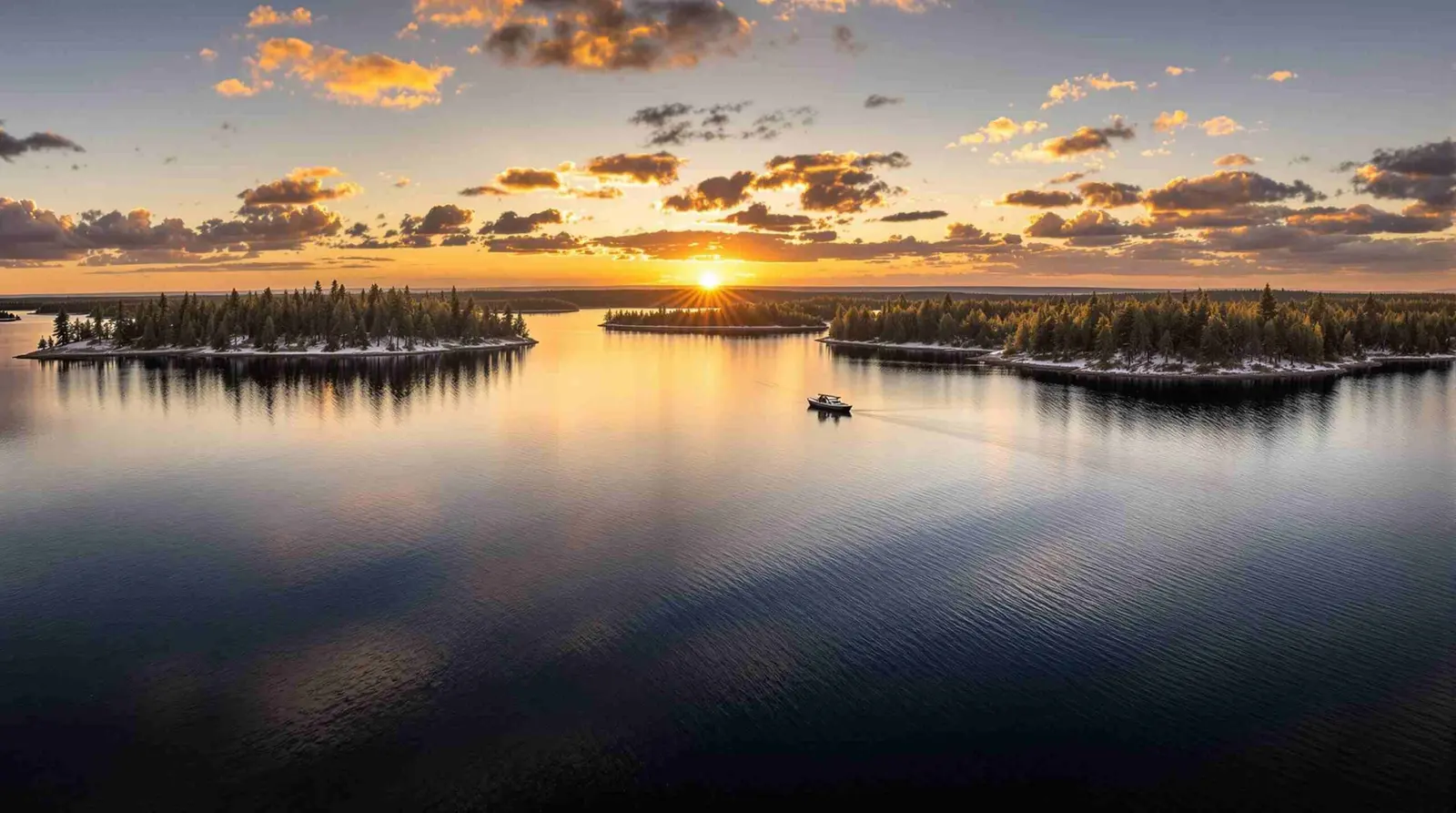
As the ice melts away, from Lake of the Woods many anglers find themselves wanting to get out on the water. The transition from ice to open water can be confusing especially when trying to figure out where the walleye are hiding. The walleye are changing their patterns fast because of the changing conditions so understanding what the walleye are doing in these months can make a big difference between a slow day and a successful outing. Lets talk about where to find the walleye and how to catch them during this time.
Where Do Walleye Go After Ice-Out?
Once the ice is gone the walleye start moving into bays where they look for warmth and food. These areas are usually the places to warm up. They attract both baitfish and hungry walleye. It is really important to check the water temperature because the walleye are most active when the water is around 45 to 55 degrees Fahrenheit. During this season look for the walleye near the mouths of these bays as they search for minnows and other bait. This is especially true when the days are sunny and the shallow water heats up quickly which makes the walleye want to come to shore.
Another important thing is the presence of seams. The walleye like to position themselves in these seams as they wait for bait to come their way. These spots are often found near the entrance of rivers or streams that feed into the lake. Finding these locations can be really important. Anglers should think about using a depth finder to locate these seams because they can be hard to see but are really spots for fishing. When looking for these areas pay attention to vegetation growth because new weeds often mean feeding zones.
Weather Changes and Their Impact
Weather patterns can really affect the walleye behavior during the season. As fronts move in and out the walleye will often change their feeding habits. For example after a front they may become less active. Go to deeper waters or look for shelter in thick cover while a warming trend will often make them want to feed more. It is really important for anglers to keep an eye on the forecast and change their strategies accordingly. Understanding these things can be the difference between a day of catching fish and just casting.
The barometric pressure also plays a role in fish behavior. When the pressure is rising it often means skies and harder fishing conditions while falling pressure can lead to activity. If you are on the water during a weather change you might want to get ready for a lot of action especially if the conditions change from stable to unstable. Being flexible in your approach is really important so if one method is not working do not be afraid to change locations, baits or techniques.
Practical Fishing Presentations for May and June
When trying to catch walleye during these months the way you present your bait can make a difference. Since the walleye can be picky it is really important to try tactics until you find what works. Jigs with bait are a choice and they are perfect for fishing the edges of shallow bays or working along rocky structures. Try a 1/8 to 1/4-ounce jig head with a minnow or leech for the results. This setup allows for a presentation. It also gives you the ability to fish at different depths, which can be really important depending on the water clarity and temperature.
Trolling can also be effective with crankbaits that look like the food. Focus on shallow-running baits that run above the bottom because the walleye often hang close to the substrate in these months. Try colors because sometimes a bright pattern might attract a fish more than the usual natural tones. Do not be afraid to change your speed. A faster retrieval can make walleye strike while a slower approach may work better when they are less active.
Think about the time of day. Early mornings and late afternoons tend to be the productive with activity picking up right before sunset. During these times try to fish the parts of the bays because the walleye will move in closer to feed. If you are not having success in the hours consider changing your fishing times to coincide with dusk when many fish are more likely to feed.
Observations from Local Guides
Local guides have insights into the early season patterns of walleye on Lake of the Woods. Many have noticed that after the ice is gone the walleye tend to stick to areas where there is a mix of structure and cover such as submerged rocks or fallen trees. These features provide both a place for them to hunt and a refuge from predators. Guides often say that understanding the topography can give you an advantage in finding the walleye.
Additionally guides recommend paying attention to the behavior of species. For example if you see schools of smaller fish swimming around it is a sign that bigger fish, including walleye,'re nearby. Following the flow of the ecosystem can lead you to success. Do not be afraid to ask guides for advice on spots or techniques. They often have inside information that can make your fishing experience better. Consider booking a guided trip if you're not familiar with the lake because their expertise can save you time and increase your chances of catching walleye.
Final Considerations
Fishing in the season can be a bit of a puzzle. Understanding the movement and habits of the walleye will definitely improve your chances. Remember to keep your tackle box varied adapt to the weather conditions and be observant of the environment around you. With patience and the right strategies your early season fishing trips on Lake of the Woods can turn into experiences with catches. Get ready to enjoy the adventure as you connect with nature and have fun fishing in this region.
Make sure to plan your trip because the best time for fishing can vary from year, to year. Whether you are an angler or just starting Lake of the Woods offers a lot of opportunities to catch walleye this season.