Understanding Lake Trout Behavior, in Summer
When the temperatures get higher during the summer time lake trout act differently. These fish, usually seen in the parts of the water when it is cold often go to colder areas when the top part gets warm. This change in movement is a problem for people who like to fish those who have places they always go to fish based on past times. Knowing this change in how they act is important for anyone who wants to catch a lake trout during the summer.
The deeper parts of lakes in Ontario places like Lake of the Woods and Shoal Lake become the best places to look for these fish when they are trying to stay cool. At depths of 30 feet or more lake trout can stay in the areas they like. This change also means that people who fish must change how they do things. A good day of fishing depends on your ability to look at the water and change how you act based on the conditions that summer brings.
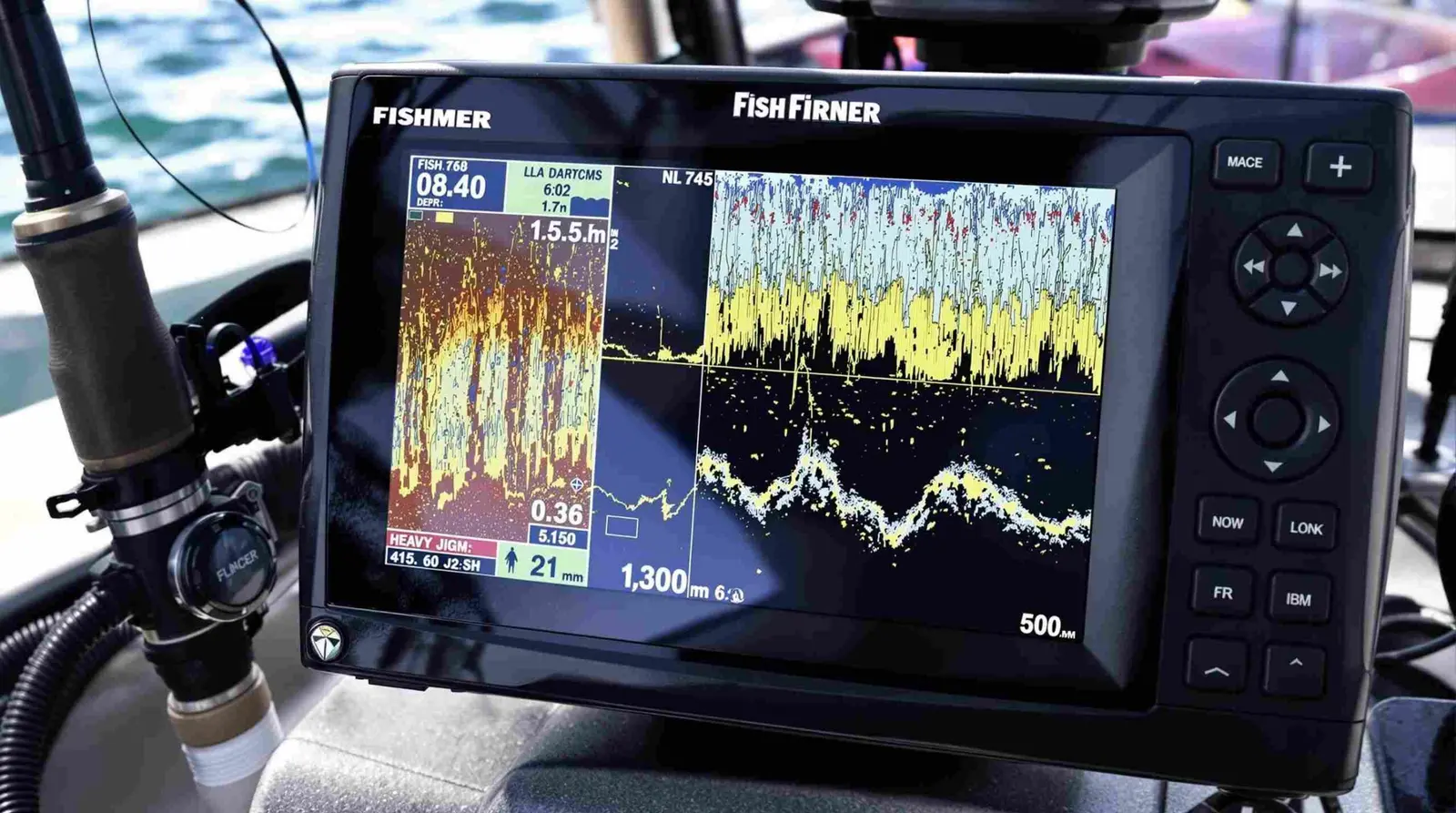
Sonar Reading: Key to Success
fishing in the summer starts with knowing your surroundings. That is where sonar equipment is useful. Using a device can make your fishing plan better by showing where lake trout are hiding, which saves time and stops you from getting upset on the water. It is important to look for layers of temperature; lake trout like water that's between 50°F and 60°F. As you look with your sonar find the lines where the temperature changes a lot. In summer this usually happens between 15 to 30 feet deep.
As you look around with sonar watch the shape of the bottom and the things under the water. Drops, rocks under the water and trees that're under the water are all places where fish are often found. Mark these spots on your sonar. Go back to them during your trip. As the conditions change be ready to change how you move your lure based on what the sonar shows. Knowing where the fish are is half the job; changing your plan based on what you find is what will help you win.
Perfecting Your Jigging Technique
Jigging up and down is a way to catch lake trout in the summer but it takes a careful way of moving that many people find hard to learn. Start by putting your jig to the bottom and then lifting it in moves. This way of moving looks like the way fish move, which makes the trout want to eat. It is good to try speeds; sometimes a slow and careful move might make the trout bite and other times a strong way can work better.
A common mistake people make is always moving the lure without letting it fall down. It is important to take your time and let the jig rest on the bottom before pulling it up. This pause gives the trout a chance to bite when the lure is not moving which's often when they are most ready to eat. Also think about changing the weight of your jig depending on how you're fishing. Heavier jigs are better in places while lighter ones can work better in areas where the fish are eating near the top.
Choosing the Right Tackle
Your equipment is very important for your success. It can decide if you catch fish or not. For summer lake trout, a rod that is medium or medium heavy with a spinning or baitcasting reel is usually best. The right mix lets you pull the line quickly and set the hook properly. The type of line you use is also very important; choose a braided line from 10 to 20 pounds because it is strong and feels better. A leader made of fluorocarbon that's 8 to 12 pounds is good because it is not easy to see under the water, which helps you catch fish.
When it comes to the lures you use, spoons and jigs are some of the best for catching lake trout. Spoons look like fish that are flashing which catches the attention of trout. Jigs let you show the lure down and change how it moves based on depth and water movement. The color you use can also make a difference in how fish you catch; try bright colors like yellow-green or orange on cloudy days and softer colors like silver or blue when it is sunny. Remember, lake trout use their eyes to find food so using the equipment for the weather can help you catch fish.
Caring for Your Catch
Once you catch a lake trout taking care of it is very important especially if you want to let it go back into the water. Keep the fish in the water much as you can to make it less stressed. If you have to touch it make sure your hands are wet so you don't hurt its slime, which helps it stay healthy. Use tools with tips to take the hook out which makes the fish less hurt during this process.
If you want to keep the fish you caught put it away in a container with ice. This helps keep the meat fresh as lake trout can get bad quickly when it is warm. Taking care of the fish you catch is important whether you let it go or keep it so that the number of lake trout stays healthy and the water stays clean.
Adjusting Guided Trip Strategies
Fishing trips that have a guide can help you catch fish especially when the water gets warmer. Professional guides know a lot about deep water fishing. Can change their ways to match the conditions. They often have the tools so you can fish in the best places.
When the water warms up guides might suggest fishing in the morning or late evening when the trout're more active and ready to eat. They can also give you advice on how to change your ways based on the weather each day including changes in the wind or the sky. Trusting a guide who knows a lot can make your fishing trip better so you can make the most of the time you spend on the water and have a chance of catching a lake trout.
By learning about how lake trout act in the summer using sonar getting better at jigging picking the equipment taking care of the fish you catch and changing how guided trips are done you will have a much better chance of doing well. Take on the challenge of fishing in water and, with time and effort you might just catch the big lake trout you have always wanted this summer.