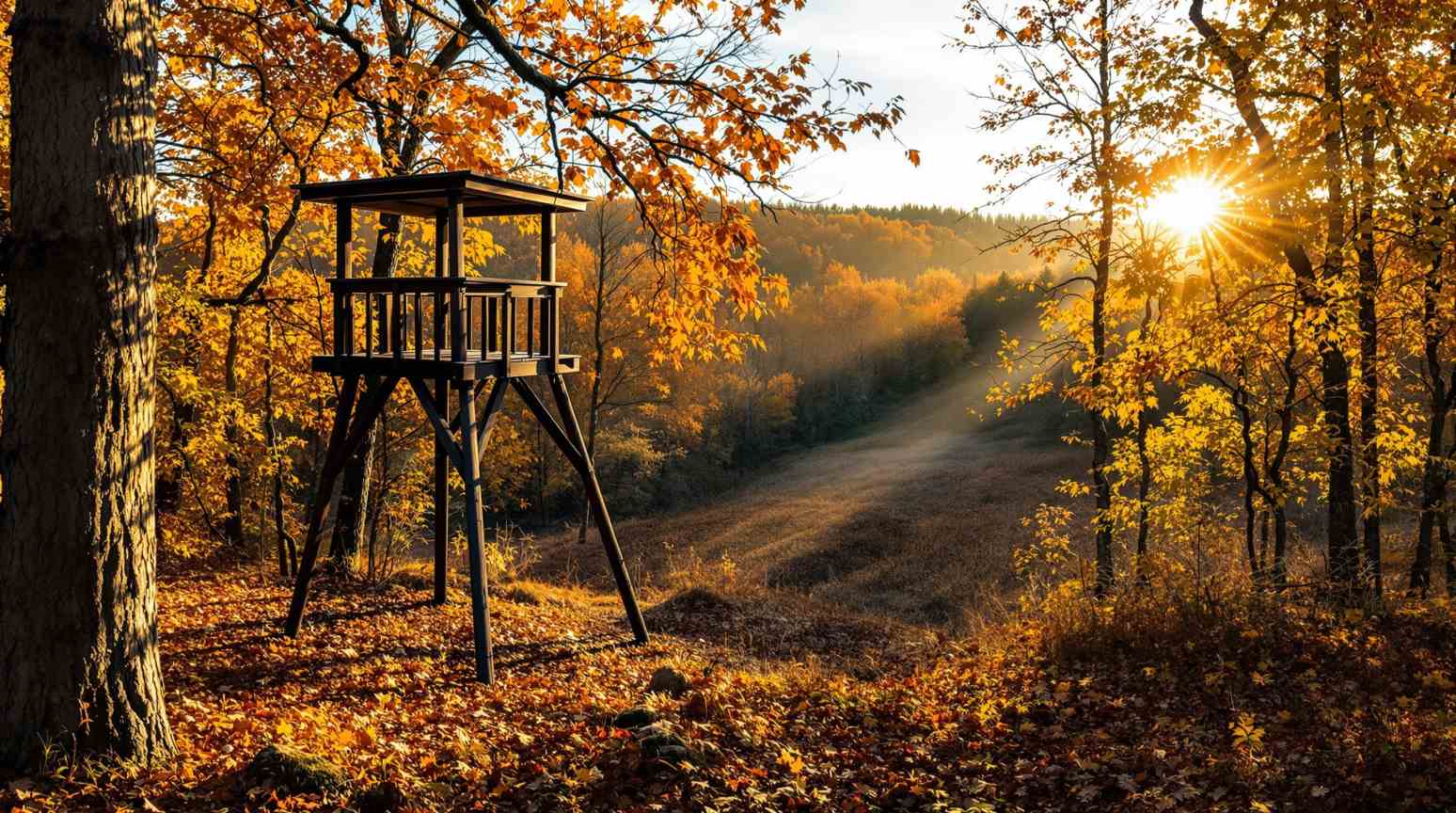
In the woods of Northwestern Ontario the sound of leaves can mean a big whitetail deer is coming. Picking the spot to set up your stand is very important. Many hunters are not sure where to set up to have a chance of getting a deer. Setting up in the spot not only helps you see more but it also makes sure you are hunting in a way that is fair to the deer. This guide will help you choose the spot for your stand by looking at things like trails, food, wind direction and where the deer rest all of which are important for a successful whitetail hunt.
Understanding Deer Movement
Whitetail deer are creatures of habit. Often follow the same trails to get to food and rest. It is very important to look at these trails when you are scouting. Look for trails that're well-worn and used a lot. You can tell if a trail is used a lot by looking for tracks, droppings and signs of eating. Mark these trails on a map. Use a GPS device to plan where you will put your stand.
You should also think about the time of year and the weather. During the time when the deer are mating they may change their trails as they look for mates. Understanding these changes can really affect where you set up your stand. Also deer are very aware of their surroundings. Will change their movement patterns if they sense danger. So when you are scouting you should not just look at the trails. Also think about the surroundings, including if people or predators might be around.
Wind Direction Matters
The wind is very important when it comes to hunting. Deer have a sense of smell and if they smell you they will probably run away before you even see them. Before you set up your stand think about which way the wind is blowing in the area. Most hunters will tell you that your stand should be downwind of where the deer're likely to come from. This way you are less likely to be detected.
You can use tools like wind checkers or apps that show the wind patterns in the area to help you understand how the wind blows. Move your stand based on this information so the deer do not smell you. This is a way to hunt because it gives the deer a chance and does not stress them out too much. Also the wind can change during the day in the morning and evening so be ready to move your stand if you need to.
Food. Their Influence
Where the deer eat is another important thing to think about. Whitetail deer mainly eat plants. What they eat changes with the seasons. In the fall they like to eat acorns, corn and other crops. Setting up your stand near these food sources can mean you see deer. Look for signs that the deer have been eating, like branches, stripped bark or chewed-up plants. These signs can tell you not what the deer are eating but also when they like to eat.
Also think about the time of day. Deer are most active at dawn and dusk often going out to eat before and after the heat of the day. If you can find where the food sources meet the trails you will have a chance of a successful hunt. However if you hunt much in one food source area the deer may not come back. So move your stand around to food sources so you do not bother the deer too much and keep the deer population healthy.
Assessing Bedding Cover
Understanding where the deer rest during the day is just as important as knowing where they eat. Whitetail deer like to rest in places that're safe from predators and have cover and are also close to food sources. Look for areas with bushes, tall grass or dense trees, which are good places for deer to rest.
When you are looking at these areas try not to disturb them. If you scare the deer away from their resting place they may not come back. Your hunt will not be successful. Try to set up your stand near these resting areas. Not so close that you scare the deer. Pay attention to where the sun's too; deer like to rest in places that are comfortable and hidden from predators and hunters.
Visibility vs. Secrecy
It is very important for you to be able to see the deer. It is also important that the deer do not see you. A stand that lets you see a lot is good. It also makes it easier for the deer to see you. Think about putting your stand a little off the trail or behind some trees so you can see without being seen.
You can also use the landscape to hide your stand. Look for spots, big rocks or thick bushes that can hide your outline. When you blend in with your surroundings you are more likely to have a hunt without scaring the deer. Also wear clothes that match the environment, which can help you stay hidden.
Learning from Lodge Guides
successful hunters learn from guides at hunting lodges who know the area and the deer very well. These guides can give you information about where to put your stand based on the season and recent deer activity. Do not be afraid to ask for advice on where to put your stand because they have a lot of experience that can help you.
Also these guides often go on scouting missions. Use special techniques to track deer movement. You can learn a lot from them about how to scout and understand deer behavior. Sharing experiences with hunters and learning from their successes and failures can also give you practical knowledge that makes your hunts better.
By using what you learn from scouting understanding the environment and getting advice from guides you will have a successful whitetail hunting trip in Northwestern Ontario. Hunting in an respectful way is not just about the hunt it is about respecting nature and making sure we can hunt for generations to come.
In the end picking the spot for your stand can make your whitetail hunting trip an adventure you will remember with respect for the wildlife and the thrill of the hunt. Whitetail deer hunting, in Northwestern Ontario is an experience when you do it right.